
Viewing 13 - 18 out of 32

Veterinary Topics

Pet Health
Luxating Patella
Luxating patella is a condition where the kneecap (patella) moves out of its normal position. Luxating patella is one of the most common knee joint abnormalities of dogs, but it is only occasionally seen in cats. It may affect one or both of the knees. In some cases it moves (luxates) towards the inside

Pet Health
Canine Distemper
Canine distemper is caused by a virus that is shed in bodily fluids of infected animals. The virus affects primarily the lungs, intestines, and nervous system. Symptoms of the infection can include coughing, diarrhea, vomiting, inappetance, dehydration, weight loss, seizures, and encephalitis. Secondary

Pet Health
Vertigo or Old Dog Vestibular Syndrome
Vertigo is a syndrome in the elderly dog, which can be very frightening to the owners. The dog is suddenly afflicted with a balance problem, usually staggering, but occasionally unable to stand, and more rarely actually rolling over and over. There is a tilting of the head to one side and nystagmus,

Pet Health
Salmonella
Salmonella is a bacterium that can cause disease in humans, dogs, cats, and other animals. It can cause a variety of symptoms, commonly vomiting and/or diarrhea, but also severe infections and septicemia. It can also cause abscesses, meningitis, bone infections, and abortion. Salmonella is found worldwide
Pet Health
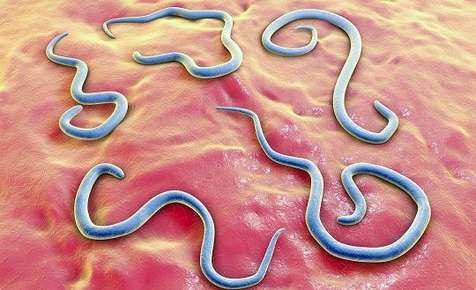
Roundworms
There are many types of roundworms, but some of the most common are intestinal parasites of dogs, cats, and raccoons. Puppies are frequently born with roundworms, and kittens can be infected via the mother's milk or feces. Adult roundworms are ivory colored, four to six inches long, and round (not flat

Pet Health
Rabies
Rabies is a fatal viral infection that is transmitted primarily through bite wounds. Skunks, bats, raccoons, and foxes are the primary carriers. Rabies is also fatal to humans, there has been only one case of a person surviving rabies when treatment was started after clinical signs were present. Puppies