
Viewing 415 - 420 out of 572

Veterinary Topics
Newsletter Library
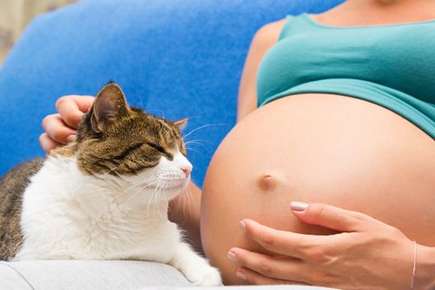
Can Pets Sense Pregnancy?
Your pets probably don't understand that in nine months a new baby will be joining your family, but dogs and cats do detect differences in mood, posture, behavior, and body chemistry that clue them that an enormous change is happening. Your dog or cat will pick up other signs, too: Our four legged
Newsletter Library
Creating A Pet Friendly Yard
Yard Plants Can Be Toxic "A few usual plants you might never think to suspect are baby's breath (for dogs and cats), elephant ears (for dogs and cats), and grapefruit (toxic to dogs, cats and horses)," says Caitlin Williams in Pets and Backyard Poisons. Jenna Trethewey, a care
Newsletter Library
Does Your Bird Need a Blankie?
The answer to that is …it depends on the situation. Some birds prefer to remain uncovered during bedtime; where as other birds cannot sleep without their "security blankets". On average, birds need about 12 hours of good, quality sleep each night to remain in peak condition. Much like

Newsletter Library
A Guide to Pet Nutrition
In 2007, several million bags of pet food were recalled in the United States due to contamination. Though some of the recalls were done by the manufacturers voluntarily to "be safe," some of the recalled food was found to have contaminated vegetable proteins. Several pets unfortunately died, and even
Newsletter Library
Are You Leaving Your Pet Alone?
Many of us can't stay home with our pets all day long, but that doesn't mean you can't have a happy dog or cat. As with children, quality can help make up for lack of quantity, according to animal behaviorist and CALLING ALL PETS host Patricia "Trisha" McConnell. "What's really important is what happens

Newsletter Library
Do Cats Really Love Milk?
Cats, unlike dogs, are true carnivores which means they thrive on meat only diets and require no vegetable, grain, or dairy supplementation. Cows milk is not recommended for cats because it can be too rich for their digestive systems. This is because most cats can't digest milk properly because it contains
Page 1
Page 2
Page 3
Page 4
Page 5
Page 6
Page 7
Page 8
Page 9
Page 10
Page 11
Page 12
Page 13
Page 14
Page 15
Page 16
Page 17
Page 18
Page 19
Page 20
Page 21
Page 22
Page 23
Page 24
Page 25
Page 26
Page 27
Page 28
Page 29
Page 30
Page 31
Page 32
Page 33
Page 34
Page 35
Page 36
Page 37
Page 38
Page 39
Page 40
Page 41
Page 42
Page 43
Page 44
Page 45
Page 46
Page 47
Page 48
Page 49
Page 50
Page 51
Page 52
Page 53
Page 54
Page 55
Page 56
Page 57
Page 58
Page 59
Page 60
Page 61
Page 62
Page 63
Page 64
Page 65
Page 66
Page 67
Page 68
Page 69
Page 70
Page 71
Page 72
Page 73
Page 74
Page 75
Page 76
Page 77
Page 78
Page 79
Page 80
Page 81
Page 82
Page 83
Page 84
Page 85
Page 86
Page 87
Page 88
Page 89
Page 90
Page 91
Page 92
Page 93
Page 94
Page 95
Page 96